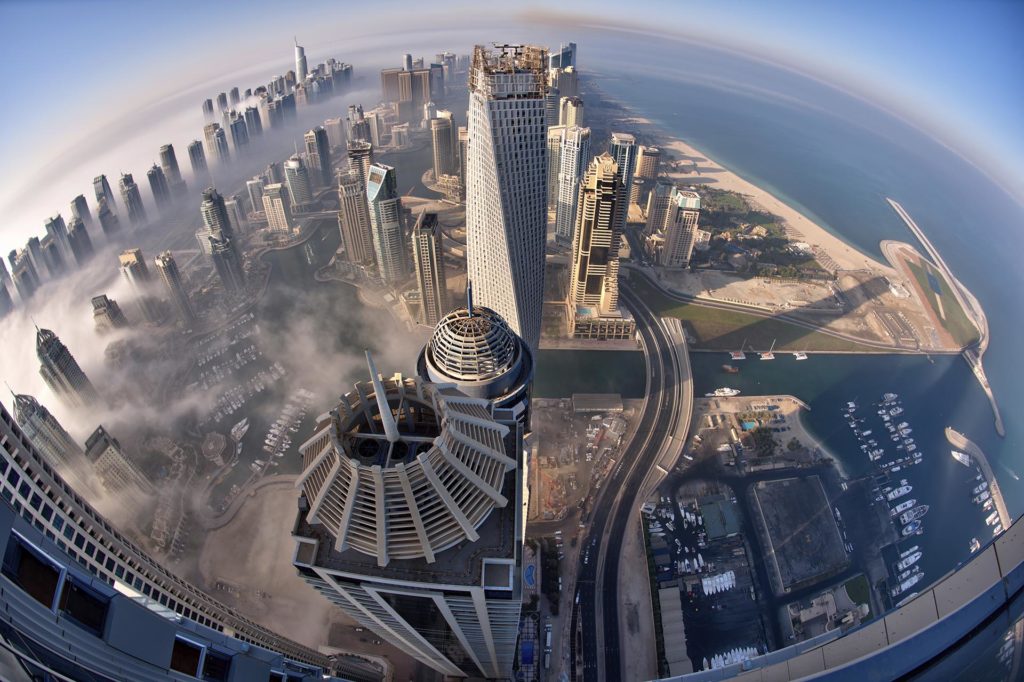
"The journey is more important than the destination."
I never followed a career plan. I followed problems that interested me, and technologies that weren’t ready yet. Looking back, every chapter built the tools for the next one.
Mid-1980s–1995
Self-taught
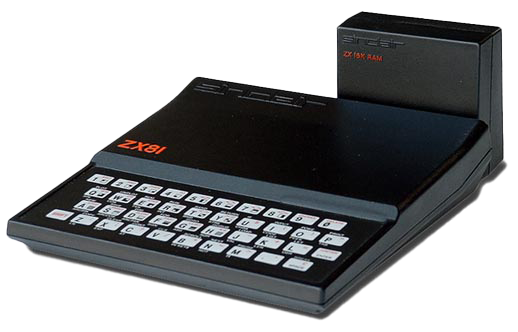
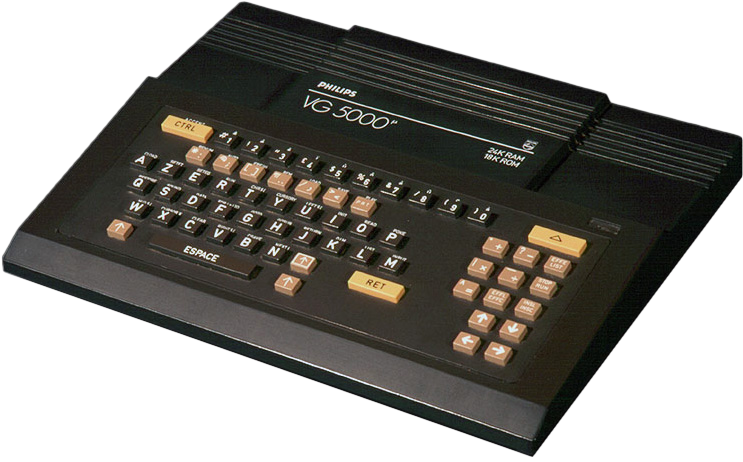
It started with a ZX81. I was around eleven, and I wrote my first lines of code on it. Then came a Philips VG5000, where I coded my own games. This was Bordeaux in the mid-1980s, before the internet: the games we read about were hard to find on cassette, so I wrote them myself and shared them with friends.
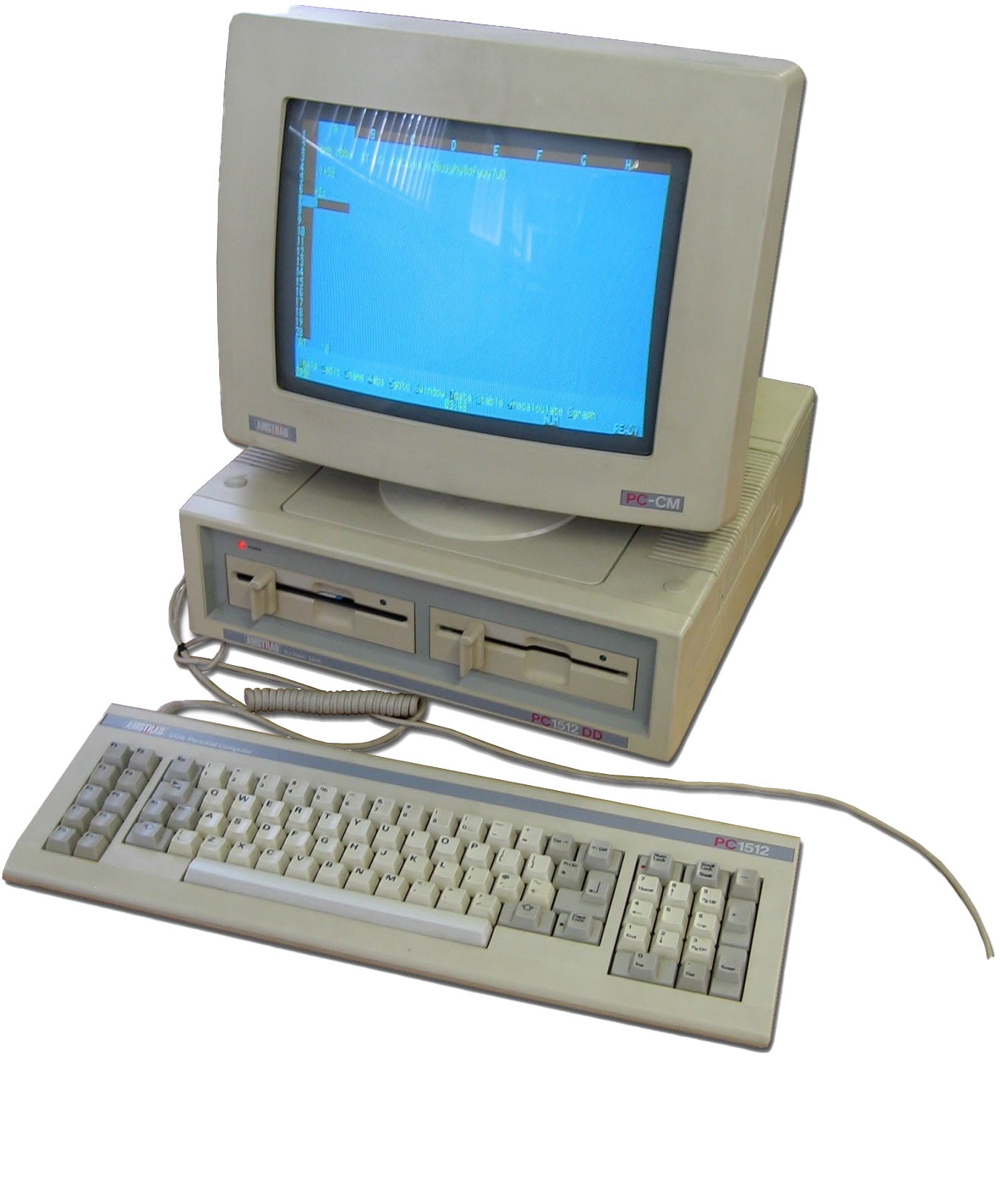
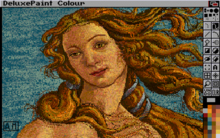
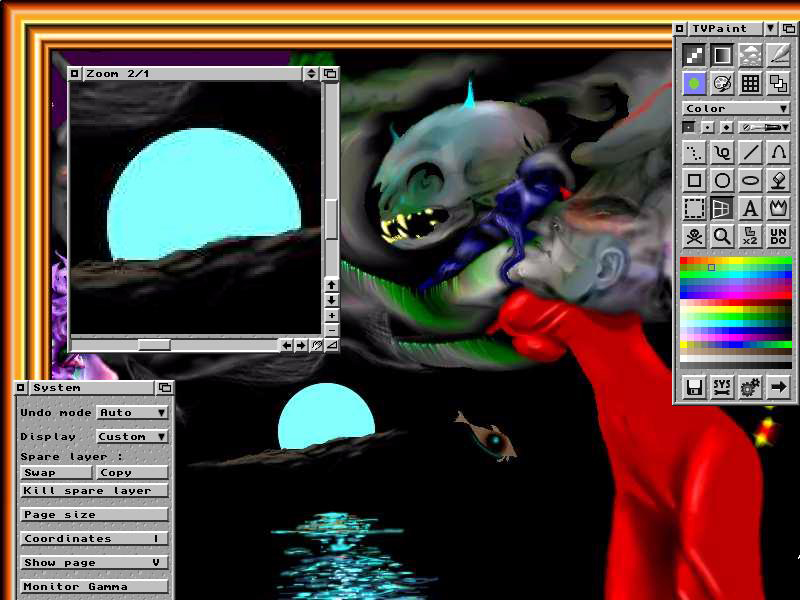
From there I moved to the Amstrad PC 1512 and PC 1640, and then the Amiga. I taught myself the creative software of the time — Deluxe Paint for graphics, LightWave for 3D — with a lot of trial and error.
I studied science and mechanical engineering at Lycée Gustave Eiffel in Bordeaux. In the summer of 1992, at Snecma (Safran), I designed a metal structure to hold rocket tanks during explosion tests. In 1993 I became technical manager of a 2D/3D studio in Bordeaux, running a render farm for architecture and mechanical projects — high-resolution prints and frame-by-frame animation for Betacam. In 1993 I also started selling my own animations.
In 1995, at Boulanger, I set up the company’s first customer technical support for computers. It became the reference model for all 130 Boulanger stores in France.
The machines
1981
Sinclair ZX81
1982
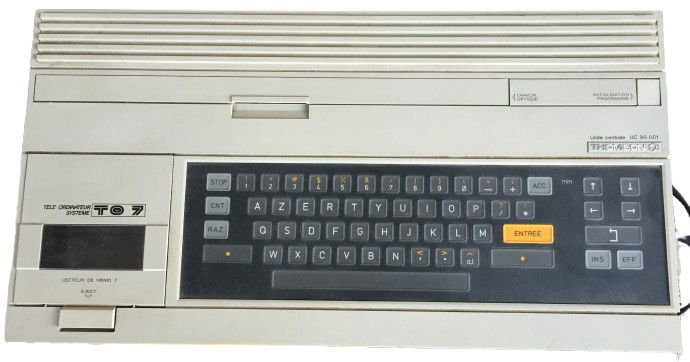
Thomson TO7
At school
1984
Philips VG5000
1984
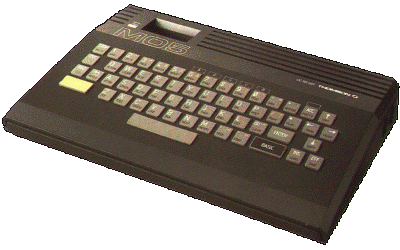
Thomson MO5
At school
1985
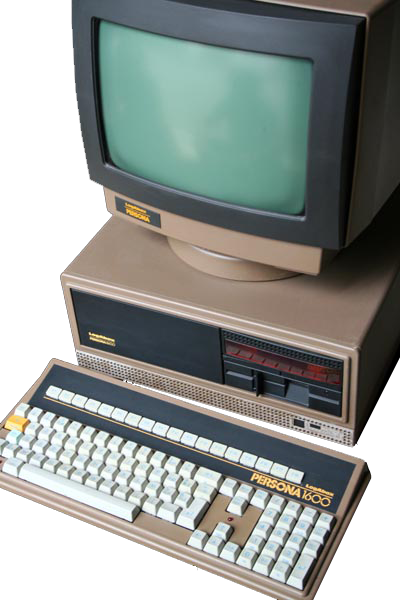
Logabax Persona 1600
At school
1986
Amstrad PC 1512
1987
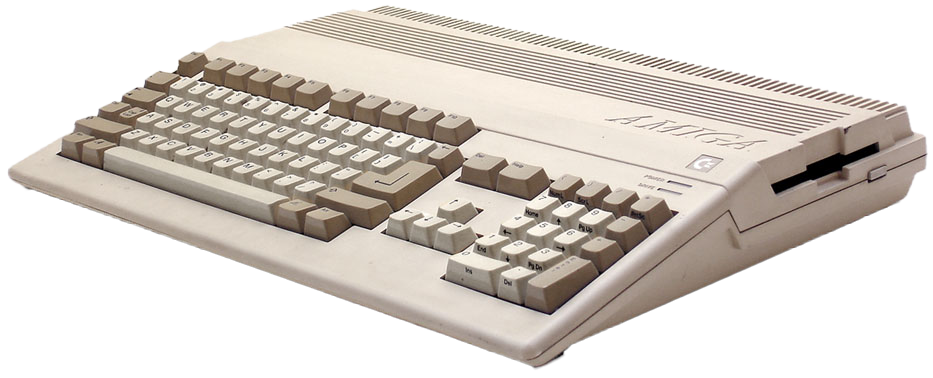
Amiga 500
The software
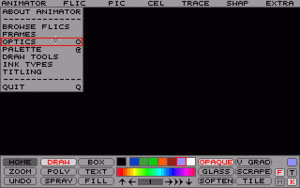
Deluxe Paint
Animator Pro
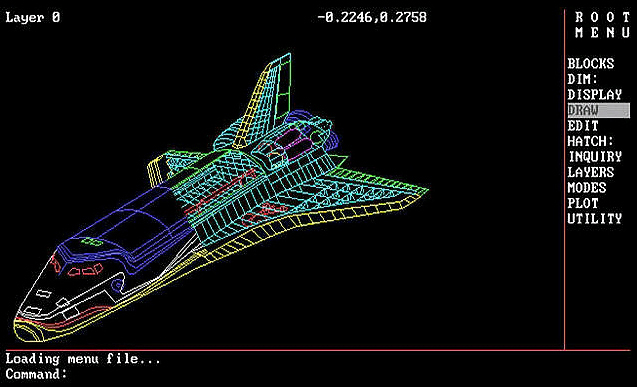
AutoCAD
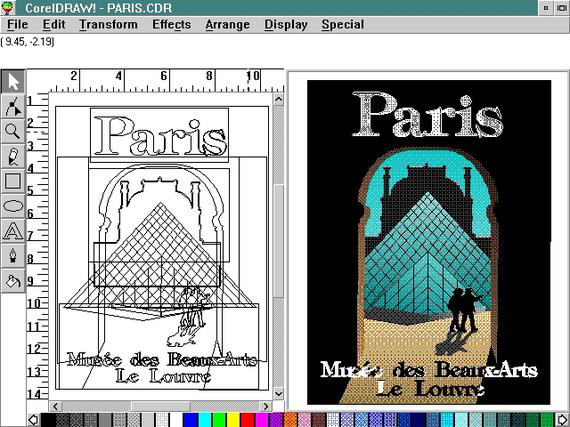
CorelDRAW
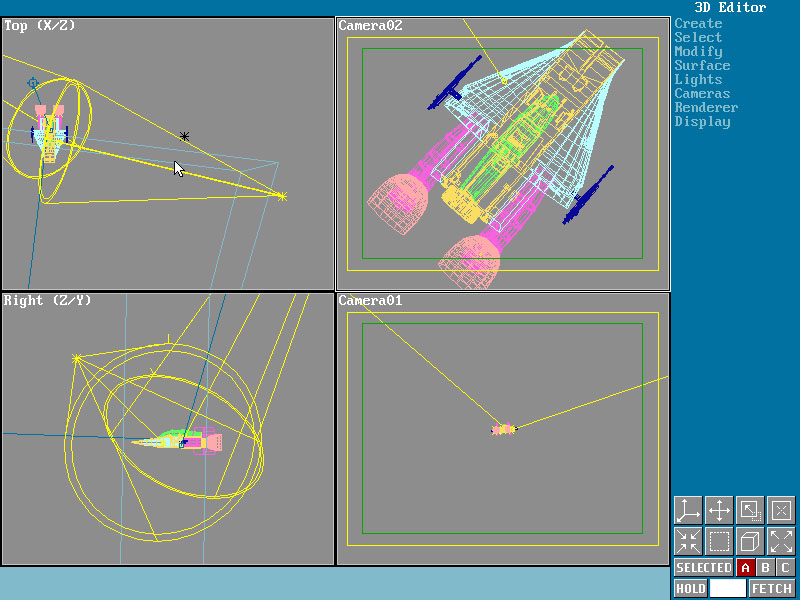
3D Studio (DOS)
TVPaint
KPT Bryce
1996–1998
Into 360°
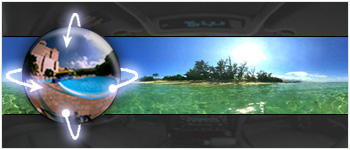
In 1996 I discovered spherical imaging — what everyone now calls 360° — and trained on iPIX panoramic photography. It was still a pioneer’s craft: no standard cameras, no easy software, no audience yet.
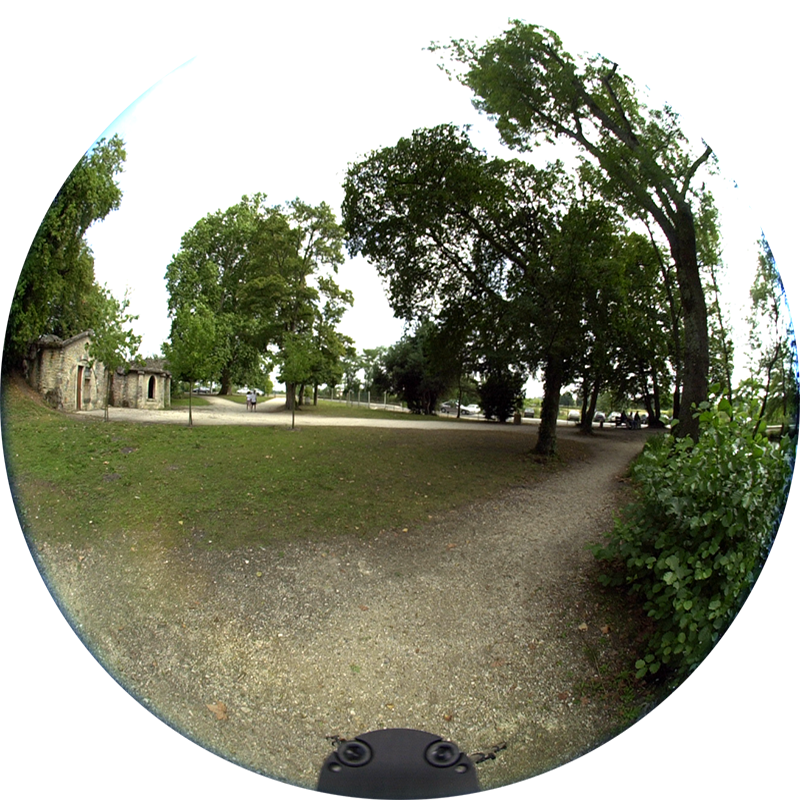
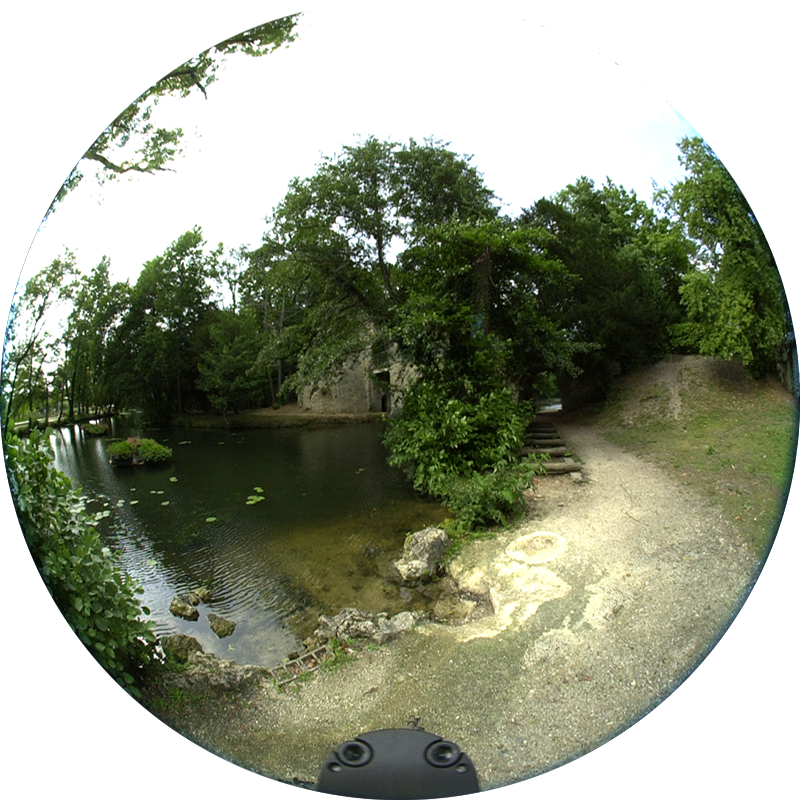
My very first fisheye shots were taken in 1996 in the Parc de Majolan in Blanquefort, near where I lived at the time, then in the vineyards nearby — Château Maucaillou, Loupiac — and stitched back together, one by one, into interactive panoramas.
At Triade Communication, I built proofs of concept mixing 2D, 3D and 360° for clients’ sales teams. The prototypes lifted sales conversion by 30%, and convinced me this technology had a future.
First fisheye shots — Majolan, 1996
Proofs of concept at Trade Communication
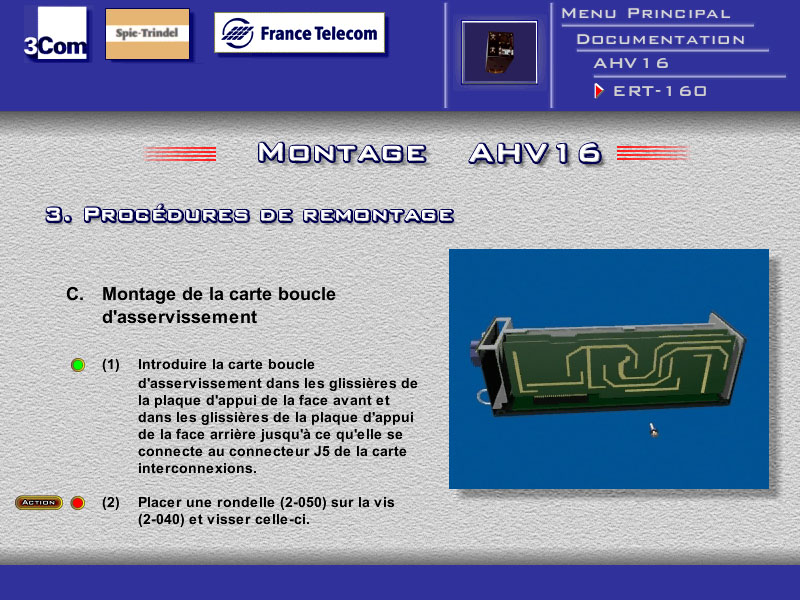
Thales AHV16
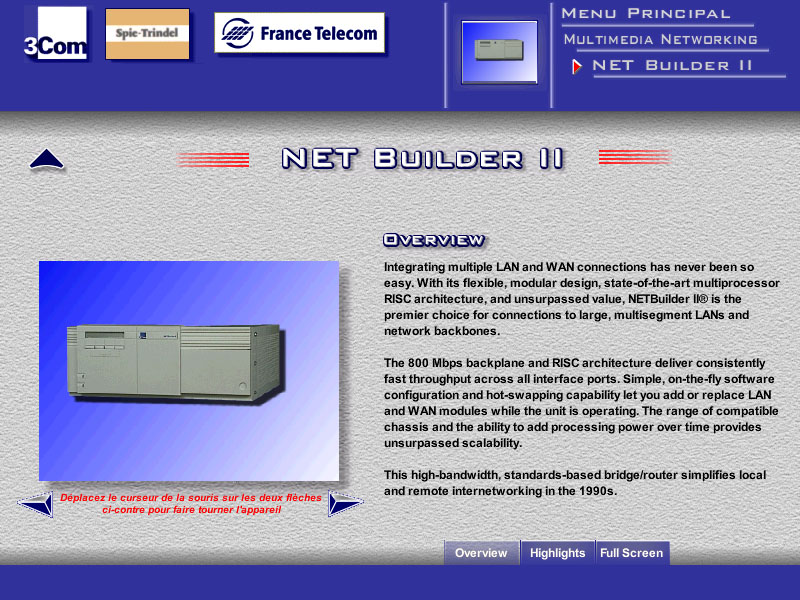
3Com NetBuilder II
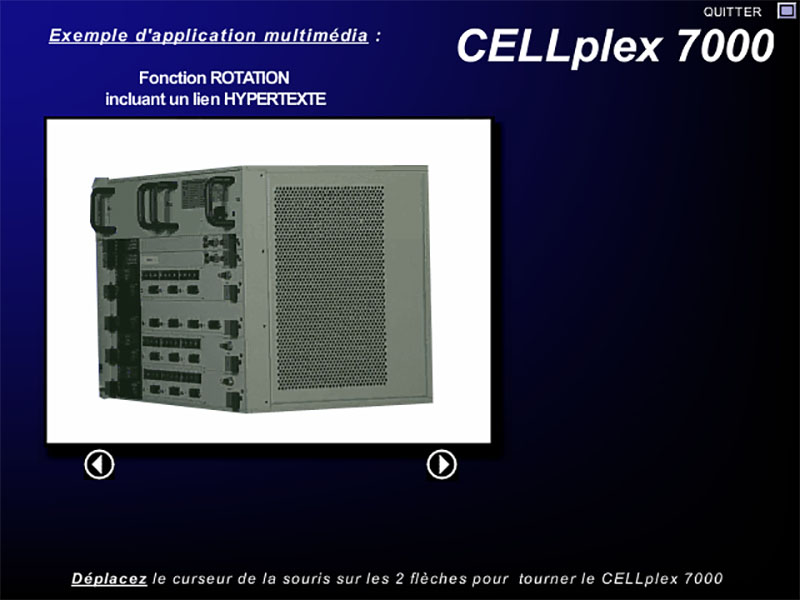
3Com CELLplex 7000
The spark
A camera built for space robots
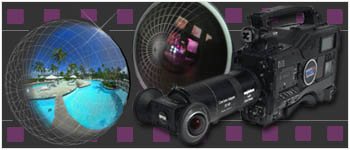
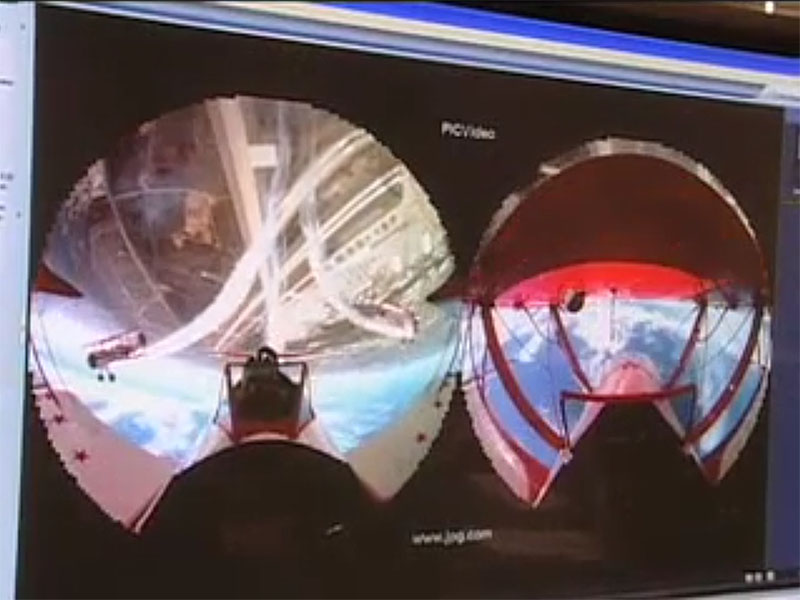
The technology that started my whole career in 360° came from NASA. In 1986, TeleRobotics International developed a motionless camera under a NASA Small Business Innovation Research grant: a fisheye system that captured a full hemisphere with no moving parts, designed to guide space robots.
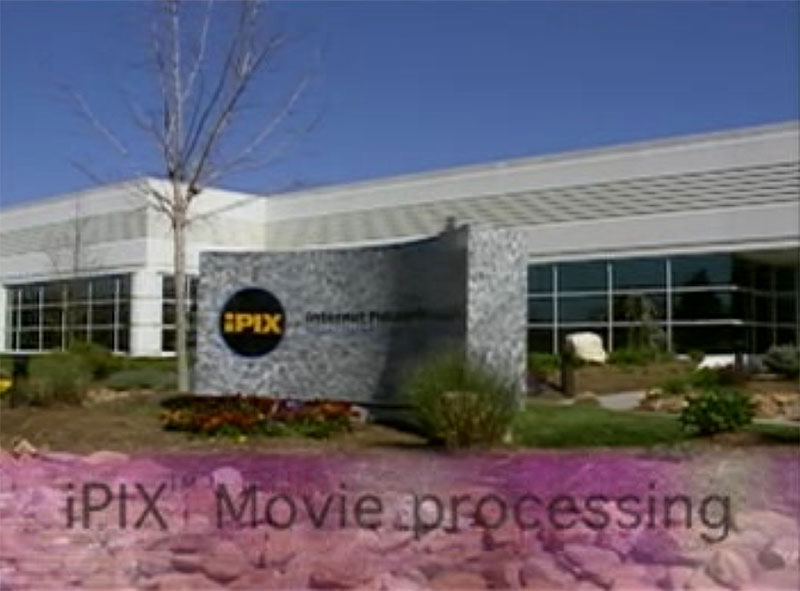
The company became Omniview in 1995, then Interactive Pictures Corporation — iPIX — in 1997, and turned that technology into immersive 360° photography. Discovering it was the trigger for everything that followed.
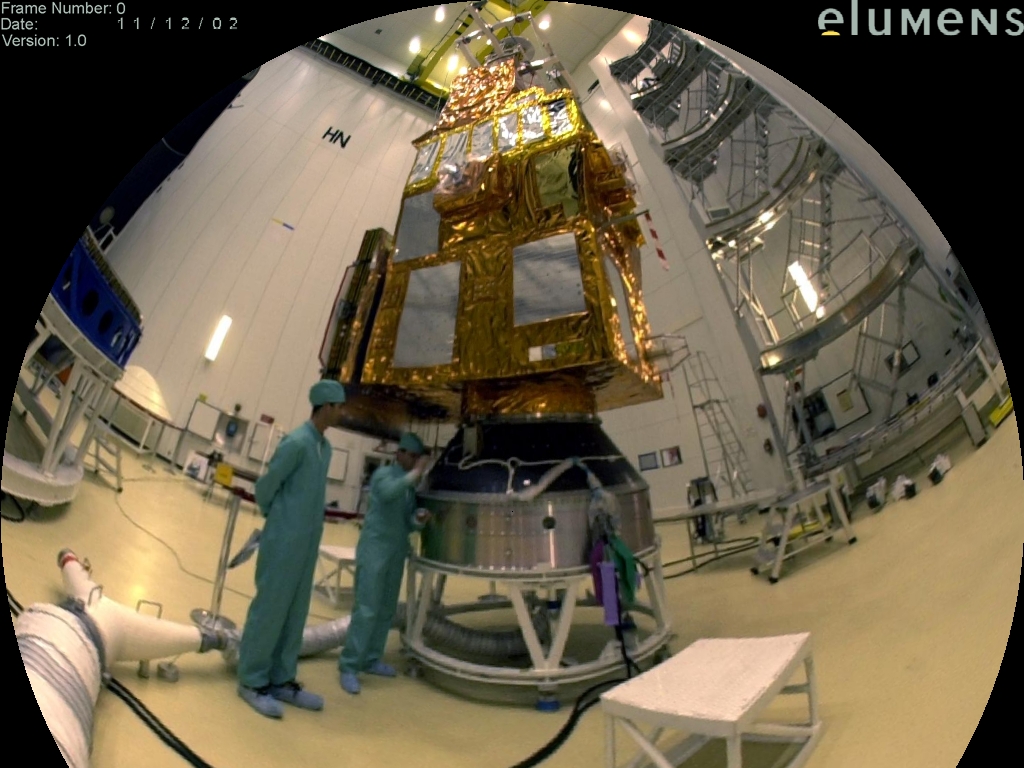
The fun part: a few years later, at Doo Interactive, we were working for the space industry ourselves — for ESA and CNES, on the Ariane 5 launch preparation in French Guiana, and on Novespace’s zero-gravity flights.
TeleRobotics International (1986) → Omniview (1995) → iPIX (1997)
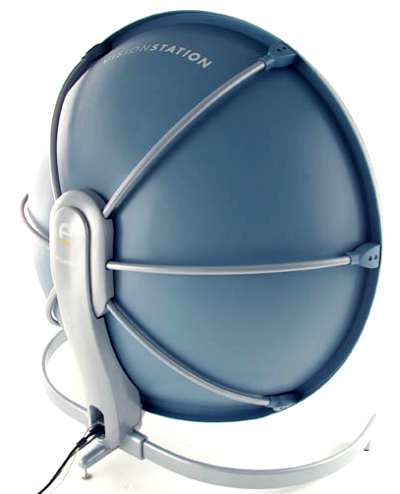
Content for the Elumens VisionStation
1998–2006
Doo Interactive
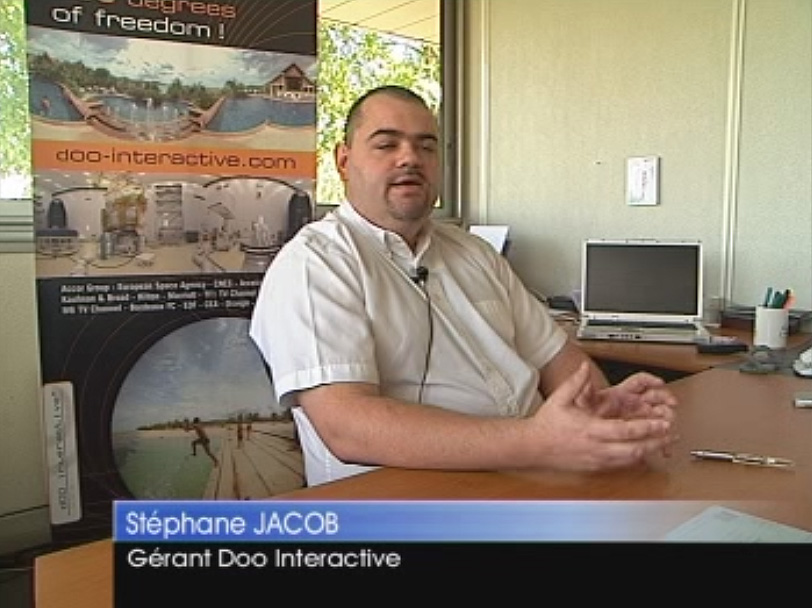
In 1998, with a newborn daughter and a home turned into a studio near Bordeaux, I founded Doo Interactive. From the first year, the clients were Thomson CSF, 3Com and the European Space Agency.
I grew the company from a sole trader to an SARL and then an SA, and signed a strategic partnership with iPIX, then listed on Nasdaq. In 2001 I also spent seven months as iPIX Europe’s business development manager for France. Doo Interactive became a national reference for 360° photography, CD-ROM and DVD-ROM, and e-learning tools.
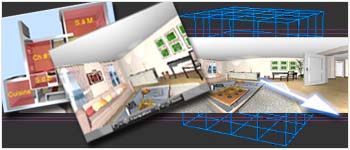
In 2001 I built my first fully spherical 360° camera — lens, sensor, capture software, processing and display — from scratch. Highlights of those years: the first image-based maintenance database for a French nuclear power plant, the Ariane 5 launch preparation in French Guiana for ESA, and the 360° platform behind every Accor hotel website.
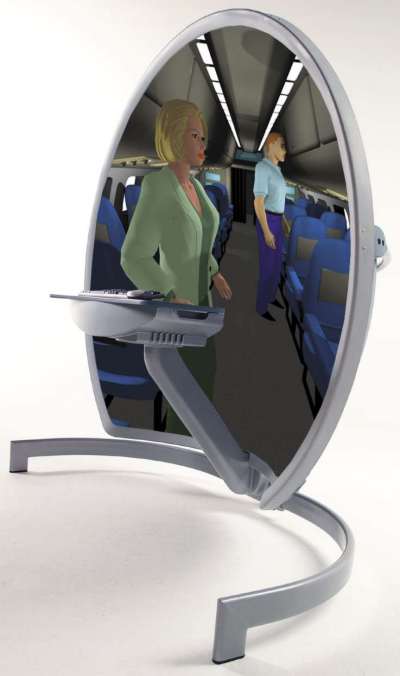
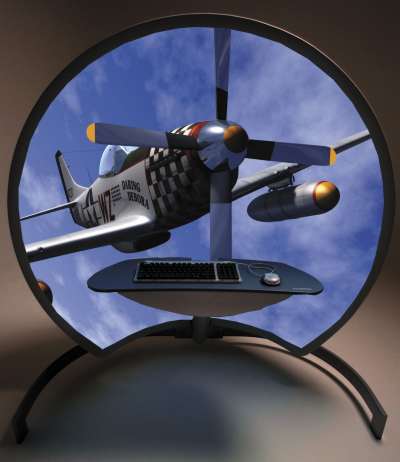
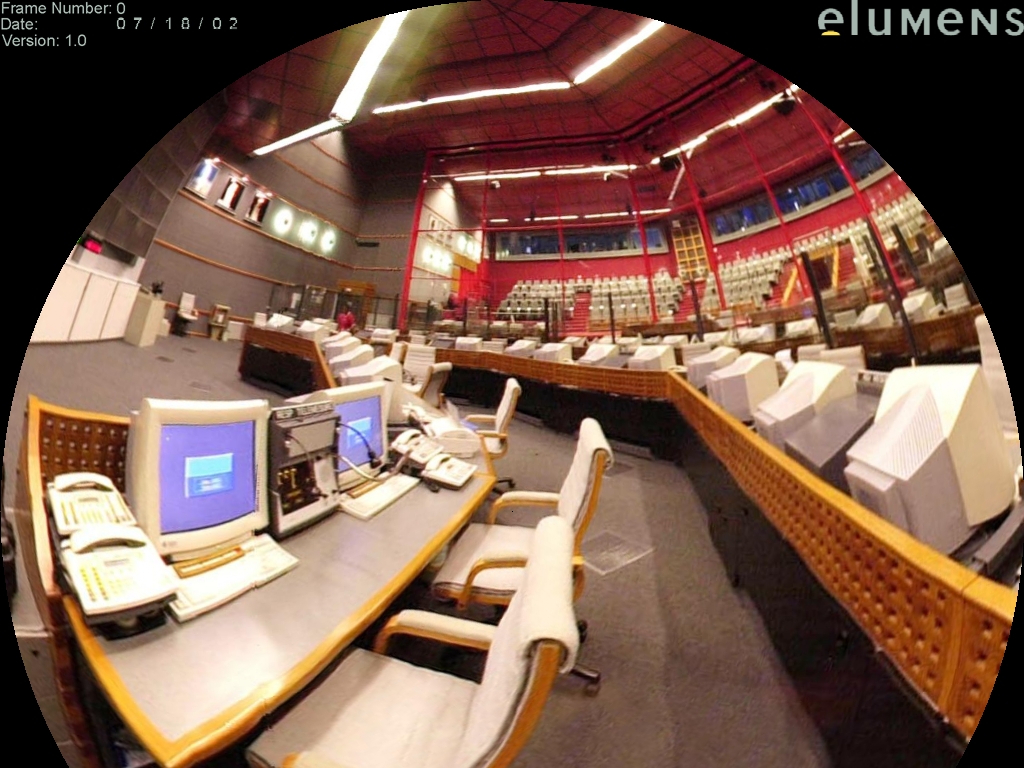
We also produced content for the Elumens VisionStation, an immersive dome display made in Durham, North Carolina. A single projector with a patented fisheye lens filled a hemispherical screen with a 180° field of view — immersive 3D without glasses. We rendered our 360° scenes and 3D environments specifically for these screens.
From the archive
Four films from the pioneer years of 360° imaging — when every panorama was a small adventure.
In 2006 I moved to Dubai as technical director of Photint Venture Group, where I developed a 360° video workflow on proprietary hardware and software, and invented two patented methods in video synchronisation and stitching, held by the company.
In 2007 I co-founded two companies. DooWORKS created immersive content for hospitality, entertainment, sport and security — 360° virtual tours, 360° video and 360° time-lapse — until 2016. Doo Technologies became the engine for hardware and software: multi-sensor and 360° cameras, video surveillance, embedded systems, fleet management and streaming. I led a team of software engineers, invented two more patent families, held by Doo Technologies, and built XstreamGenerator from scratch into the only independent CCTV benchmarking tool, used by 100+ companies.
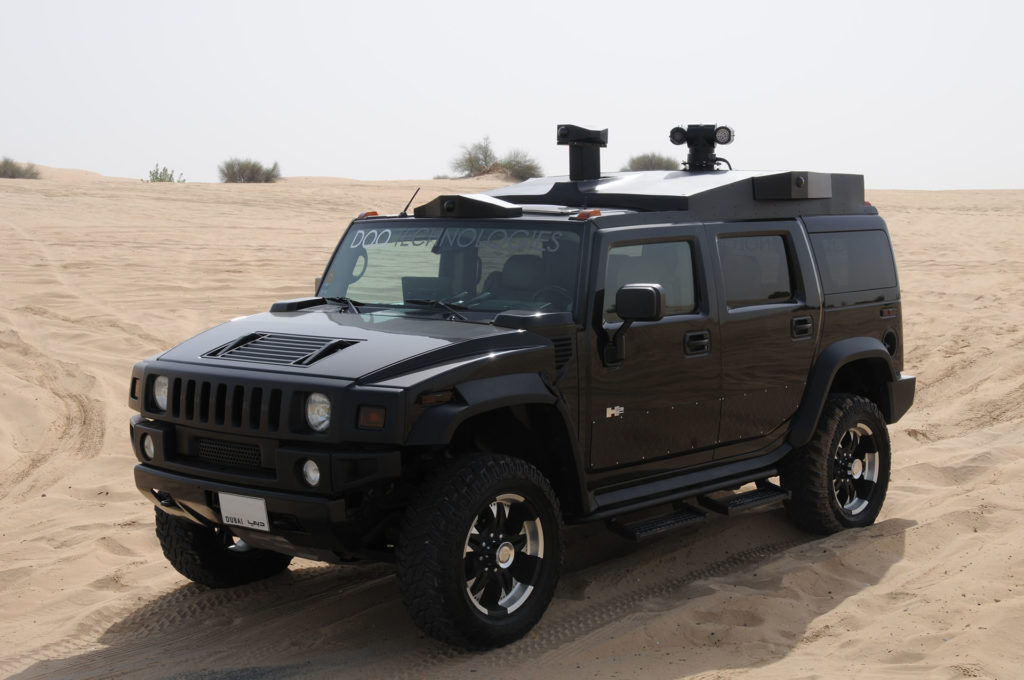
Those years also brought some of my favourite projects: the Hummer H2 surveillance vehicle, the Styx surface vehicle, a 360° camera for jet aircraft, live 360° coverage of the Sandance festival at Atlantis The Palm, and the Dubai Police Academy training platform, recognised with a City & Guilds award in 2012.
2019–2024
Strategy & marketing
In 2019 I started advising leading OEM vendors as an innovation consultant: spotting technology trends, writing insight reports for board decisions, and reviewing intellectual property for legal cases in computer graphics.
The same year I joined Fibrenetix, a video storage and analytics manufacturer, first as product marketing manager, then marketing director, then sales and marketing director. Websites, datasheets, videos, training programmes, trade shows: a full marketing function, built from the inside. I also served as non-executive creative director of Universal360 in London.
2024–today
Atlantic Venture Group
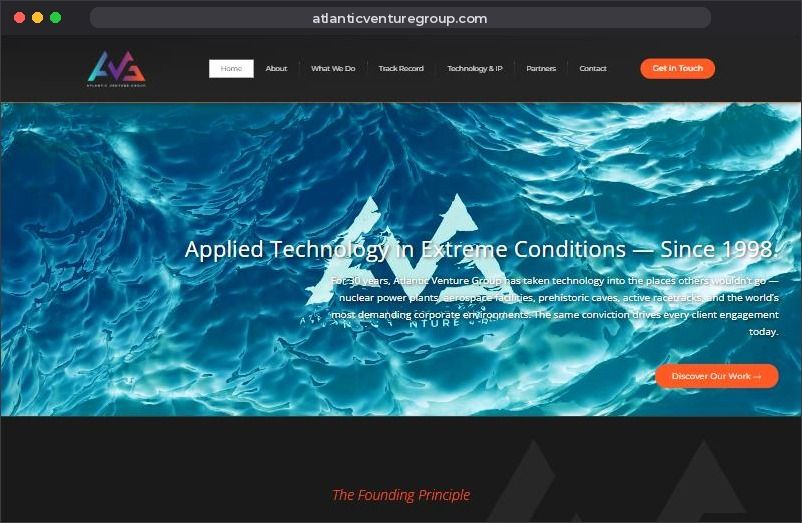
In 2024 I founded Atlantic Venture Group in Dubai, to bring thirty years of technology, business development and content under one roof. AVG works with technology companies in security, AI, energy, healthcare and infrastructure.
I am also Secretary of ASIS International Dubai Chapter 250, and still the same person who builds the tool when it doesn’t exist.
Forty years of tools — most of them gone, the methods still the same.
Then
ZX81, Philips VG5000, Amstrad PC 1512 and PC 1640, Amiga, Deluxe Paint, LightWave, TurboSilver, VistaPro, Vue d’Esprit, Animator Pro, 3D Studio (DOS), AMAPI, TVPaint, Elastic Reality, AVID, Media 100, Macromedia Director / Lingo, Flash, QTVR, iPIX
Now
3ds Max, AutoCAD, Revit (BIM), Adobe Premiere Pro and After Effects (HD/4K/8K), PTGui and Autopano for 360° stitching, Agisoft Metashape photogrammetry, LiDAR digital twins, AR/VR, in-house 360° video software
Courses & certifications: Autodesk 3D Studio (1994) · iPIX Panoramic Photography (1996) · PR1/QSP Nuclear Engineering Technologies, APAVE (1999) · Video Analytics, IPSOTEK (2015)