Two dual-platform CD-ROMs for Semitour Périgord: seven heritage sites, from prehistory to the Middle Ages, immersive 360° tours shot on film, and each disc squeezed onto 650 MB.
Today, every operating system can run inside a virtual machine, and one build ships to every screen. In 1998 none of that existed. To publish a CD-ROM for both PC and Mac, you needed a Windows machine, a Macintosh, and a workflow that crossed between them at every step.
This is how we built Le Château de Biron and Lascaux II, and why both still run, 28 years later.
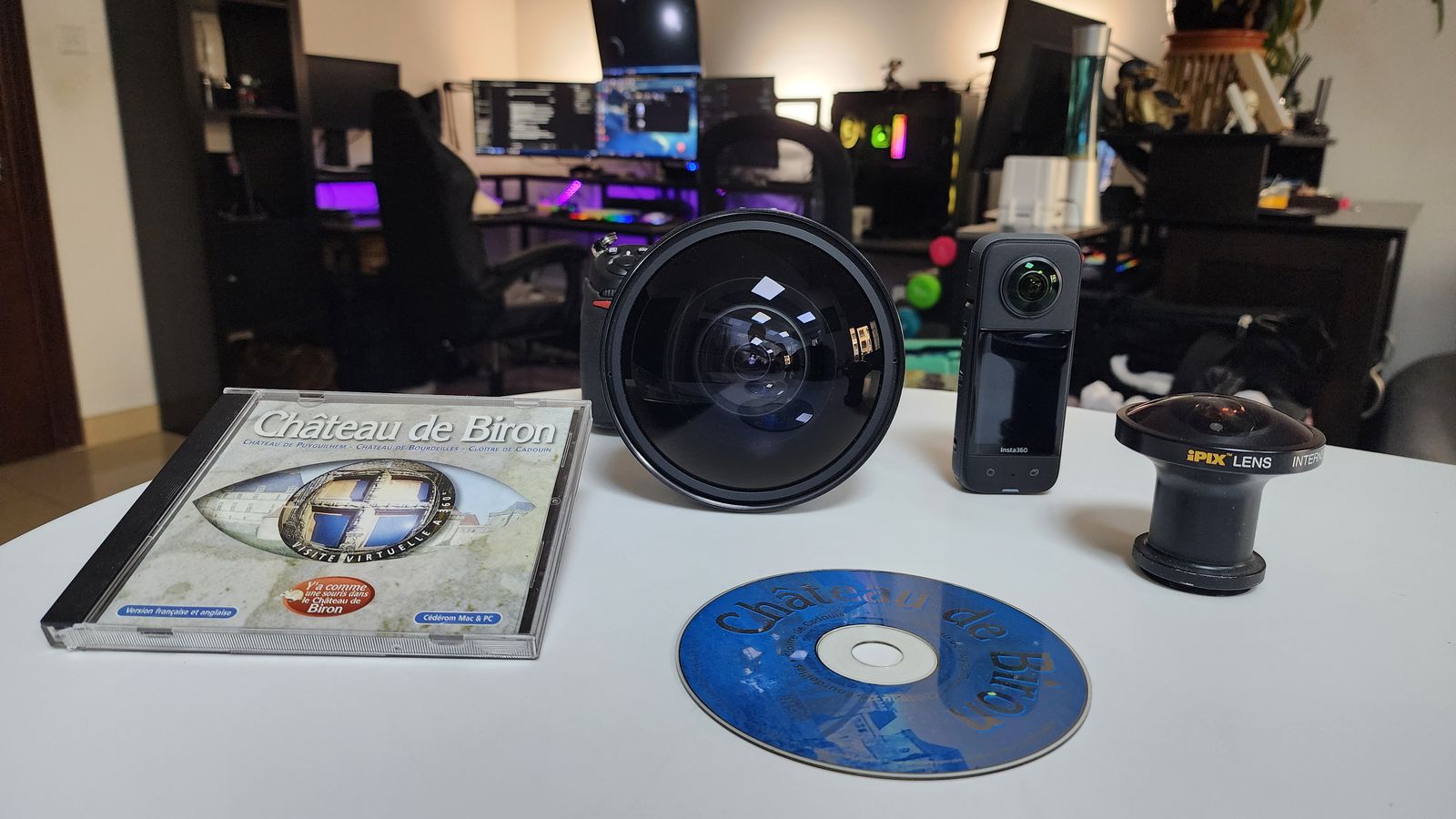
Twenty-eight years apart: the 1999 Biron disc and box, the Nikkor fisheye and iPIX lens we shot it with, and the Insta360 that does it today in one click.
The brief
Souvenirs that paid for the stones
Semitour Périgord runs some of the best-known heritage sites in the Dordogne. It wanted two CD-ROMs: one for prehistory, around the Lascaux II replica, and one for the Middle Ages, around the Château de Biron.
The discs were sold on site, as souvenirs, so visitors could take the visit home with them. That shaped everything: not an encyclopaedia, but a good-looking, easy companion to a day out. And the sales helped finance Semitour’s renovation work on the sites themselves.
The project came through aPrim, a small agency run by my friends Pascal Carles and Marc Milgram. They held the relationship with Semitour Périgord; Doo Interactive brought the interactive know-how. We designed, shot and built both discs together, and they carry both names: “Conception et réalisation aPrim – Doo Interactive”.
2
CD-ROMs, PC and Mac
7
heritage sites
24,000
copies produced
Disc 1 · Prehistory
Lascaux II
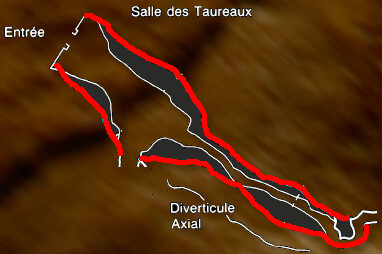
The iPIX map of the cave, from the Lascaux II interface files: Entrée, Salle des Taureaux, Diverticule Axial.
Lascaux II: the decorations, the discovery, the history, the creation of the replica, dating, methods and techniques.
Le Thot: the animal park and the museum.
Abri Pataud: the deposit and the museum.
A puzzle, a quiz, an access map and a Semitour presentation.
Disc 2 · Middle Ages
Le Château de Biron
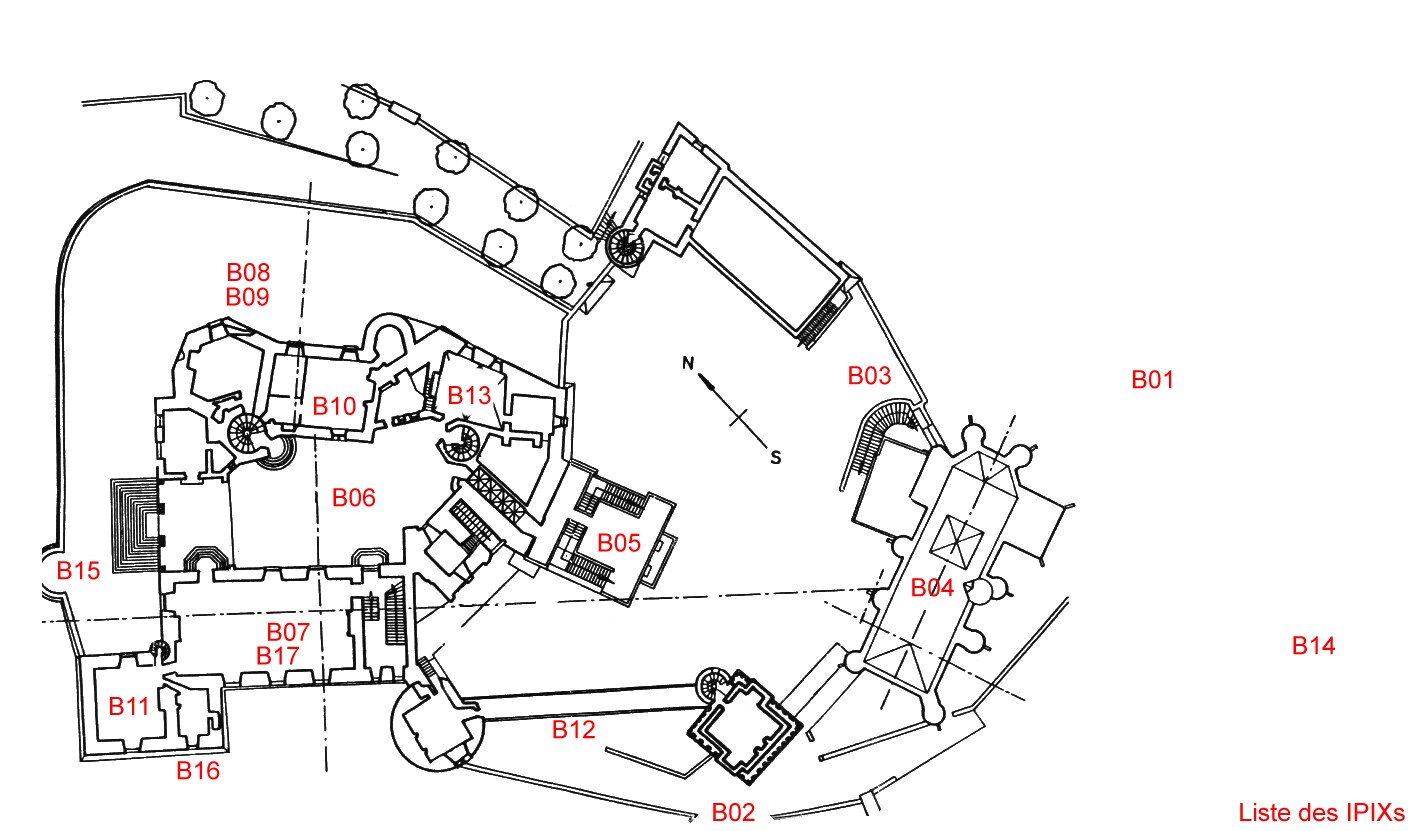
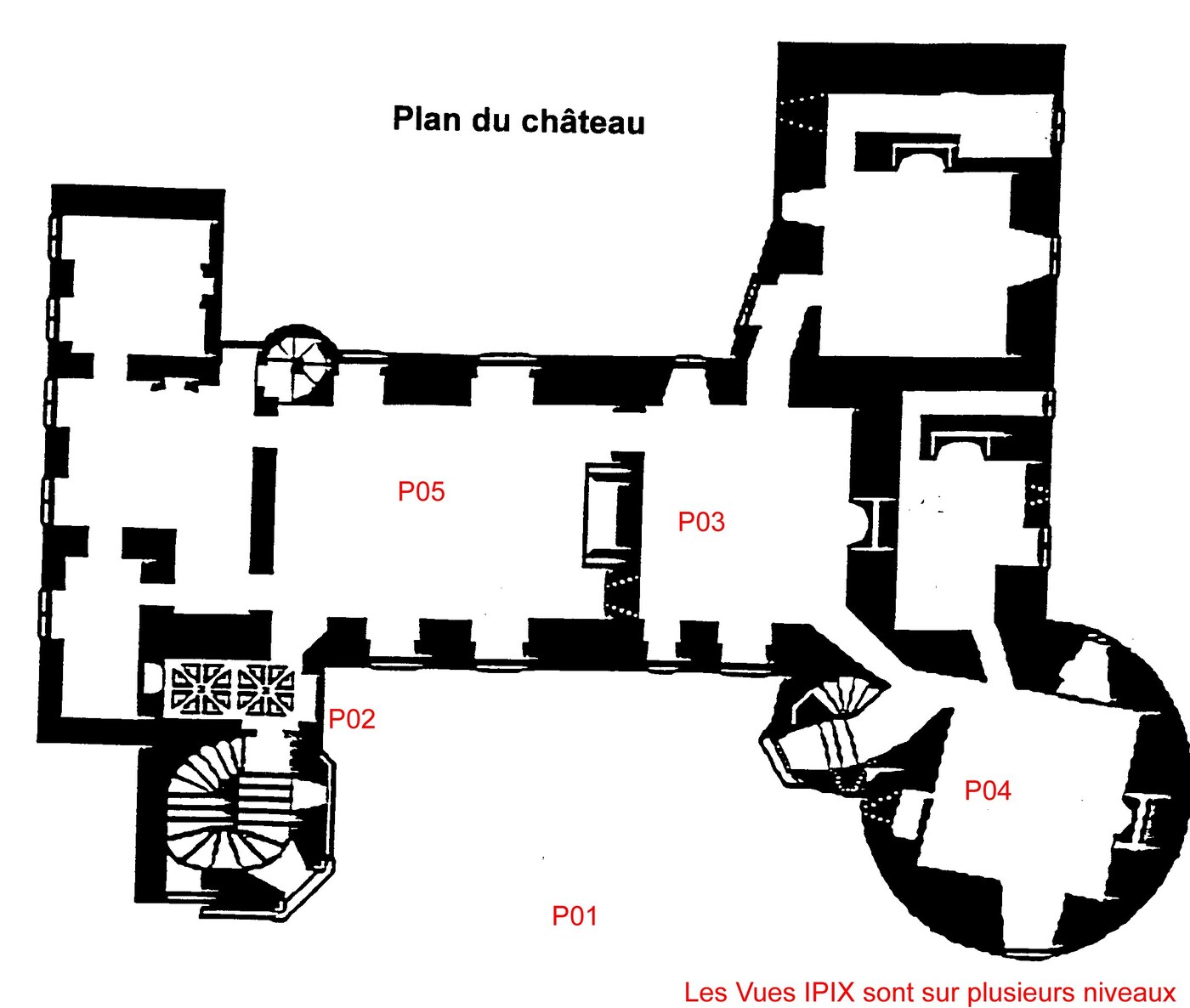
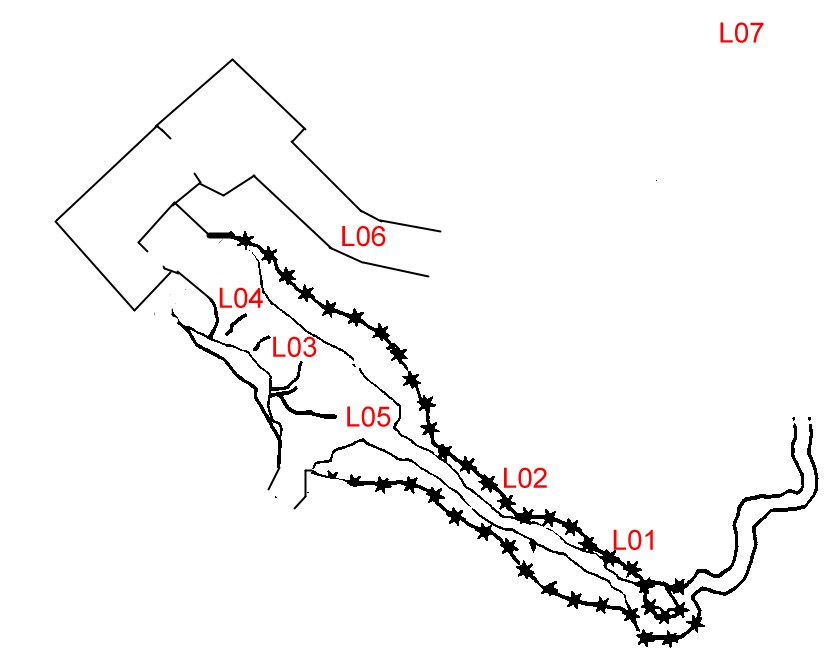
The Biron plan, with the position of every iPIX view.
Château de Biron, the flagship, with the largest 360° tour.
Château de Puyguilhem, Château de Bourdeilles and the Cadouin cloister.
For each site: a welcome video, its history, an immersive 360° tour and a map.
A jigsaw puzzle, a quiz and a Semitour presentation.
Both discs are fully bilingual, French and English, with professional narration.
Before the tutorials
Authoring was a craft
There was no YouTube in 1998, no online tutorials, and no free open-source 3D suite to download. Learning meant manuals, magazines, trial and error, and the few people you knew who had done it before. The internet was still young, and most clients had never seen an interactive CD-ROM: part of the job was explaining what one could be.
Every tool in the chain had its own machine, its own file formats and its own tricks. And everything was offline: we worked offline, and the discs were made to run offline.
Challenge 1
Two cameras, two eras
The flat photographs were already digital. We shot them on a Nikon Coolpix 900, brand new at the time: 1.3 megapixels, 1280×960, files on a memory card. It felt like the future.
The immersive tours could not be digital yet. No digital camera of the day had the resolution or the fisheye optics, so every 360° image started on film:
Shooting: a Nikon F90 with a Sigma 8 mm fisheye, on colour slide film. Each 360° view is a pair of opposite hemispheres.
Scanning: every slide digitised on a Nikon LS-2000 film scanner, over SCSI.
Stitching: the two hemispheres joined in Photoshop with the iPIX plug-in. iPIX images were first called PhotoBubbles.
Coolpix 900, 1999: the Great Bull in the Lascaux II replica.
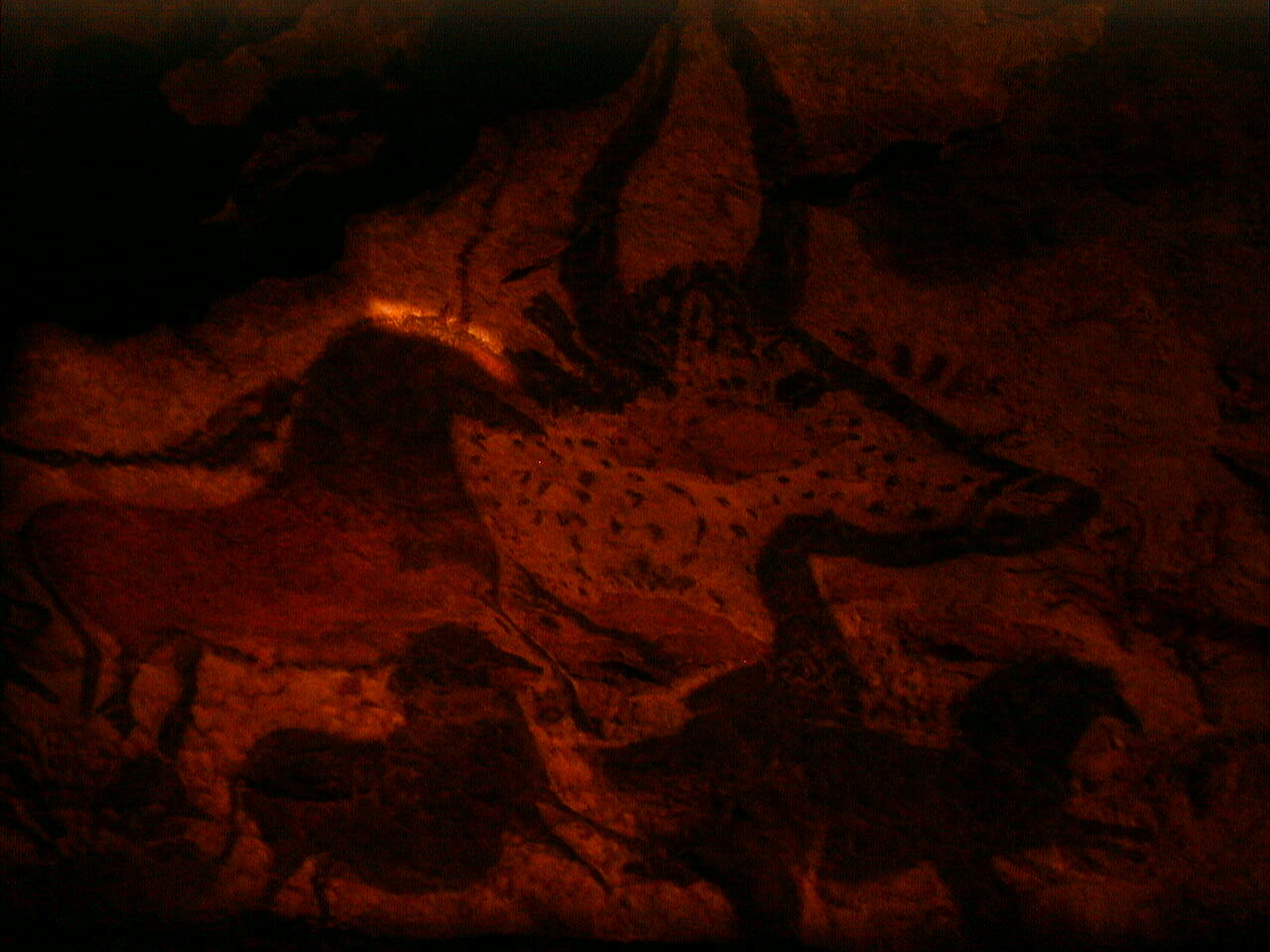
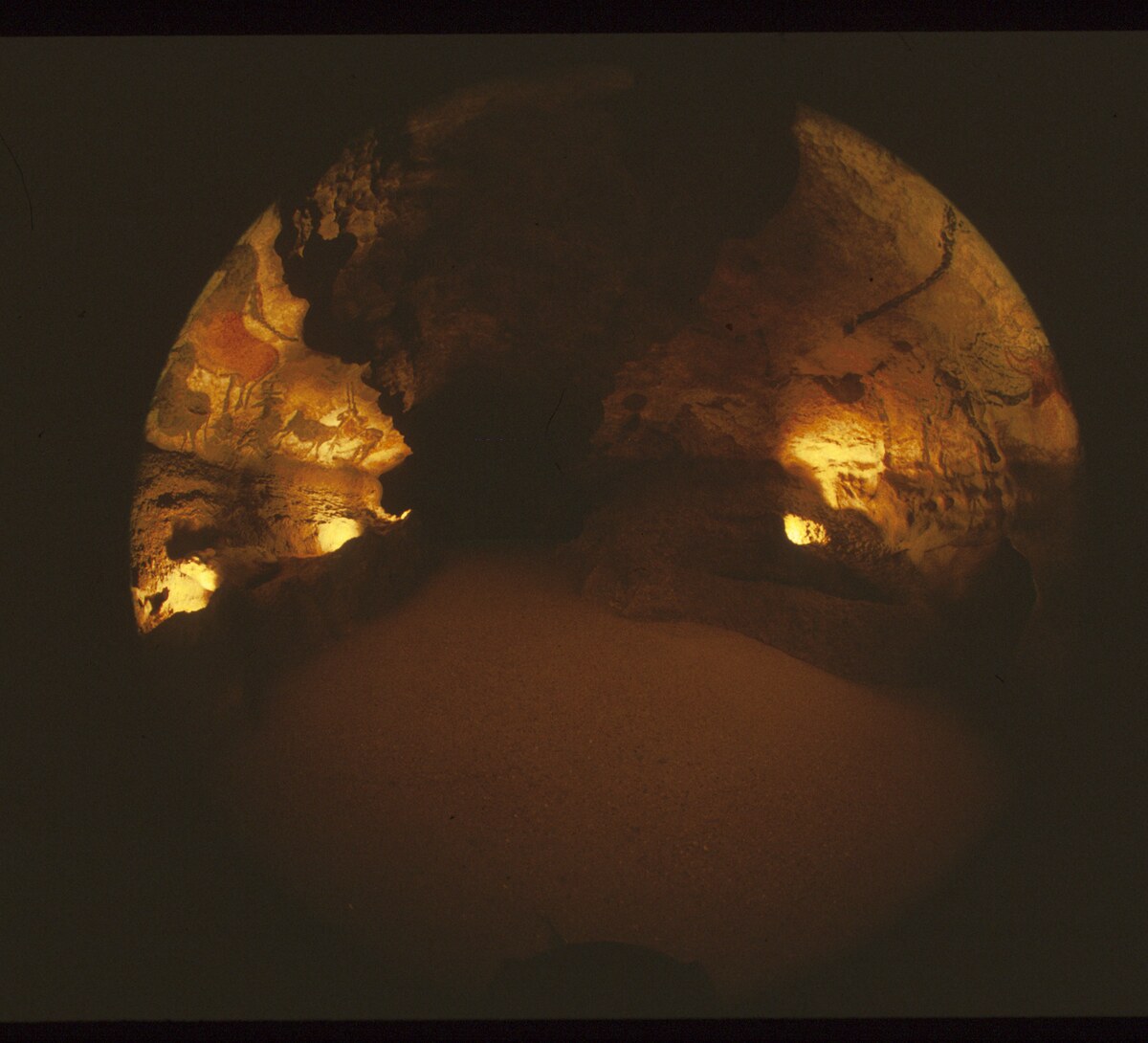
An iPIX fisheye view inside the Lascaux II replica, from the original scans.
Film had a price, and our post-mortem shows it. We had planned 32 hours of iPIX shooting; it took 56. The light inside the replica was hard to work with, and one shoot at Bourdeilles had to be redone. Assembly went from 32 planned hours to 55, because a batch of slides came back badly developed by the lab. With film, you only found out days later, back at the desk.
I keep it all
From slide to file to screen
Every 360° view went through the same chain, and I still have every stage of it: the fisheye scans, the editable iPIX masters, the protected files that shipped on the disc, and the standard panoramas I converted them to later.
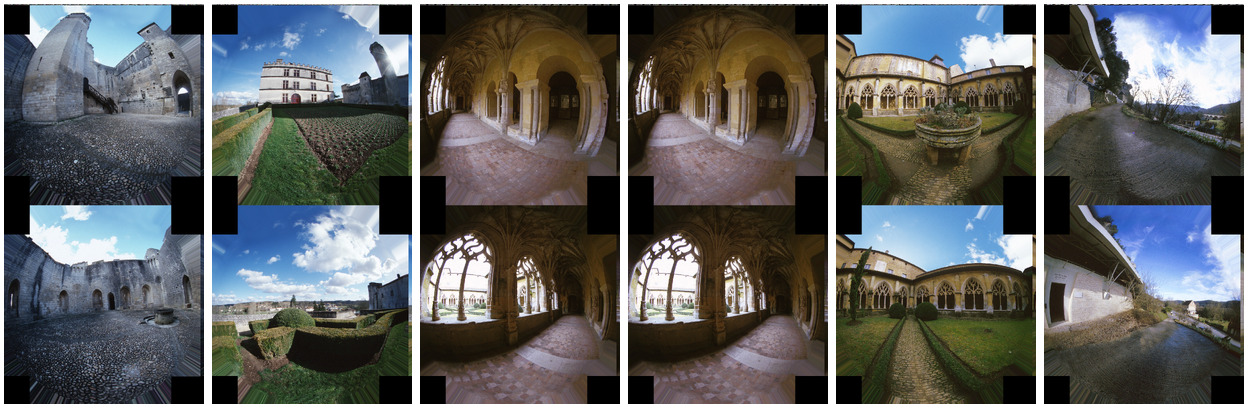
The master (.GBU): the editable iPIX format, 6.3 MB of raw, uncompressed 24-bit pixels per view, where we retouched the images.
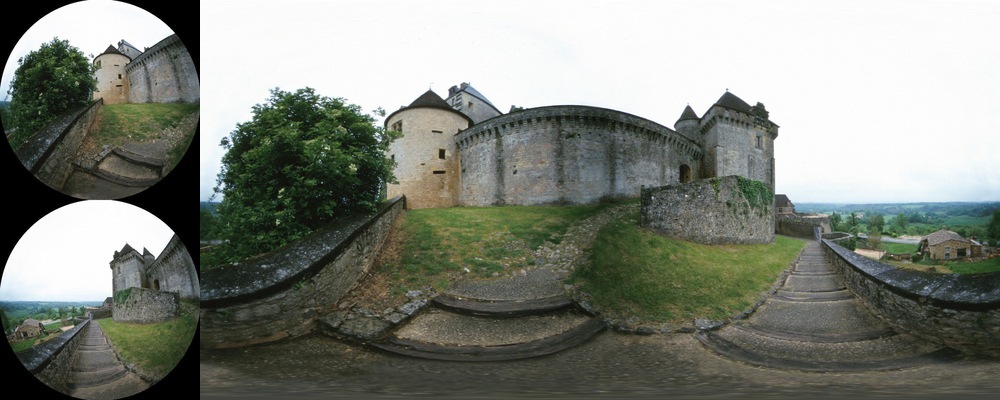
The release (.IPX): a protected file of about 0.7 MB, the two fisheye circles in one compressed image, read on the disc by the IPIXtra plug-in.
Today: a standard equirectangular panorama that any phone can open.
Biron, 1999: the two fisheye hemispheres from the shipped IPX file, and the same view as a standard 360° panorama.
The editable GBU masters, decoded in 2026: Bourdeilles, Cadouin and Abri Pataud.
Challenge 2
One disc, two worlds
Windows and Mac OS shared no file system, no video format and no executable. Each disc had to speak both languages.
A hybrid CD-ROM: one common ISO 9660 partition held the shared media, with a dedicated launcher for Windows and another for Mac.
Macromedia Director on both platforms, with the IPIXtra plug-in compiled three times: for Windows, for PowerPC Macs and for the older 68K Macs.
QuickTime video with the Cinepak codec, the one that played on both, from footage shot on Betacam SP.
Interface graphics in TVPaint on the Amiga, and animated 3D buttons rendered frame by frame in 3D Studio for MS-DOS.
We did not own a Mac. One was lent to us for a single week, from 22 to 26 March 1999, and the whole Mac port had to happen inside it: 30 hours of work against the 15 we had planned.
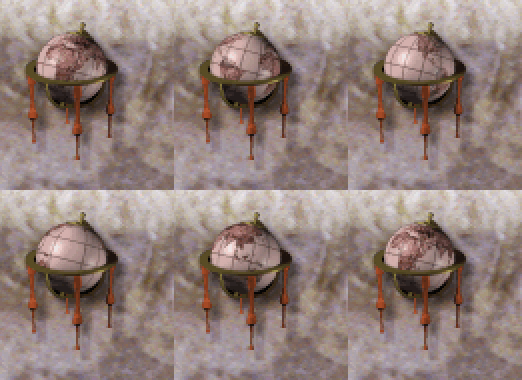
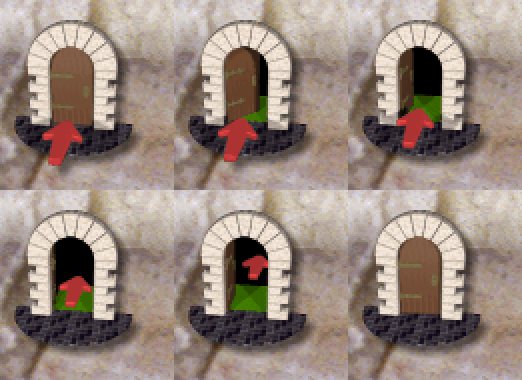
Two of the animated 3D buttons, as they spin on screen: the map (36 frames) and the exit door (37 frames), rendered in 3D Studio for MS-DOS.
Challenge 3
The 650 MB budget
Sites, videos, narration in two languages, immersive images and two applications: all on one disc each. On the Biron disc alone, the five videos weigh 176 MB. Every asset was a trade-off between quality and space.
And nothing was installed on the hard drive. Disk space was precious, so only the essentials went onto the computer: the drivers, the video codecs and a launcher icon. Every screen, sound, video and 360° view played straight from the disc. That set a limit nobody thinks about today: a 2x CD-ROM drive, the minimum requirement, reads 2 × 150 KB/s. Every video, narration and transition had to stream under 300 KB/s, or the disc would stutter.
The screens were the other constraint. Our buyers were on CRT monitors; flat LCD panels had only just arrived, mostly on laptops, which were not our audience. We designed at 640×480 because that is what home PCs ran, at best 800×600. I authored on a CRT at 1280×1024 in 16-bit colour, for hours on end, and my eyes paid for it. The images themselves are full 24-bit colour.
650 MB
one disc each
16 million
colours in every image
320×240
Cinepak video, 30 fps
300 KB/s
a 2x CD drive: the ceiling for everything
The last 72 hours
Thursday night to Monday
The production status sheet from April 1999 still has the crunch log. Biron was at 100%, Lascaux at 96%, with the English commentary half done.
Thursday 1 April, the night: the iPIX of the Salle des Taureaux, the Pataud museum, burning test discs, and removing the “cheat mode zoom” we had left in for ourselves.
Saturday 3: the timeline changed from −17,000 to −15,000 years, full screen on every photo, flags on the maps, and a help page for the iPIX navigation.
Sunday to Monday: bigger iPIX for Biron, the quizzes on both discs, the French sound for Biron, the slideshows.
From the team’s to-do file, LascauxII.nfo:
Test the autorun.
Check and test the autorun on Mac.
Copy protection?
Let people skip the intro.
Explain the iPIX navigation.
Some things never change.
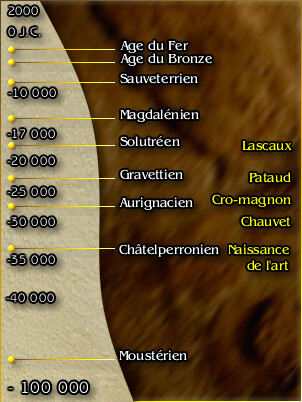
The timeline bar, from the source files. On Saturday 3 April its scale changed from −17,000 to −15,000.
Inside the discs
The disc, running again
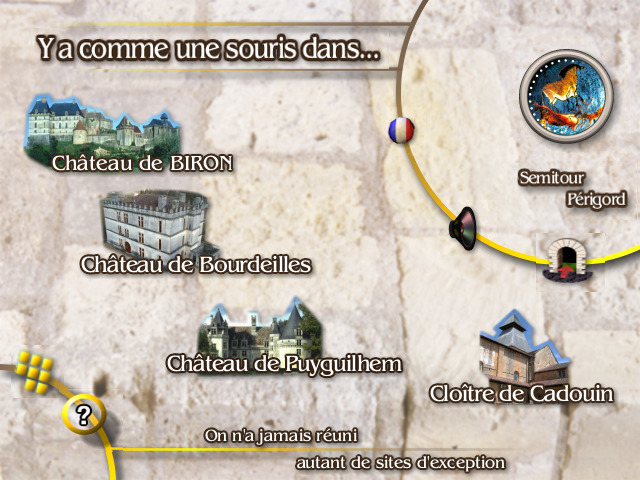
In 2026 I opened the Director files on the Biron disc, decoded every bitmap, and put each one back where the score places it. This is the home menu exactly as it was authored in 1999. Below, the original disc running again in 2026, in a Windows XP virtual machine.
The home menu: four sites, Semitour Périgord, the language flag, volume, help and games.
The Biron disc running again in 2026, in a Windows XP virtual machine, straight from the original 1999 disc: intro, menus, a site, the iPIX visit and a puzzle.
From the source files
Plans and photographs
Puyguilhem: the iPIX views sit on several floors.
The Lascaux II plan, with the iPIX positions.
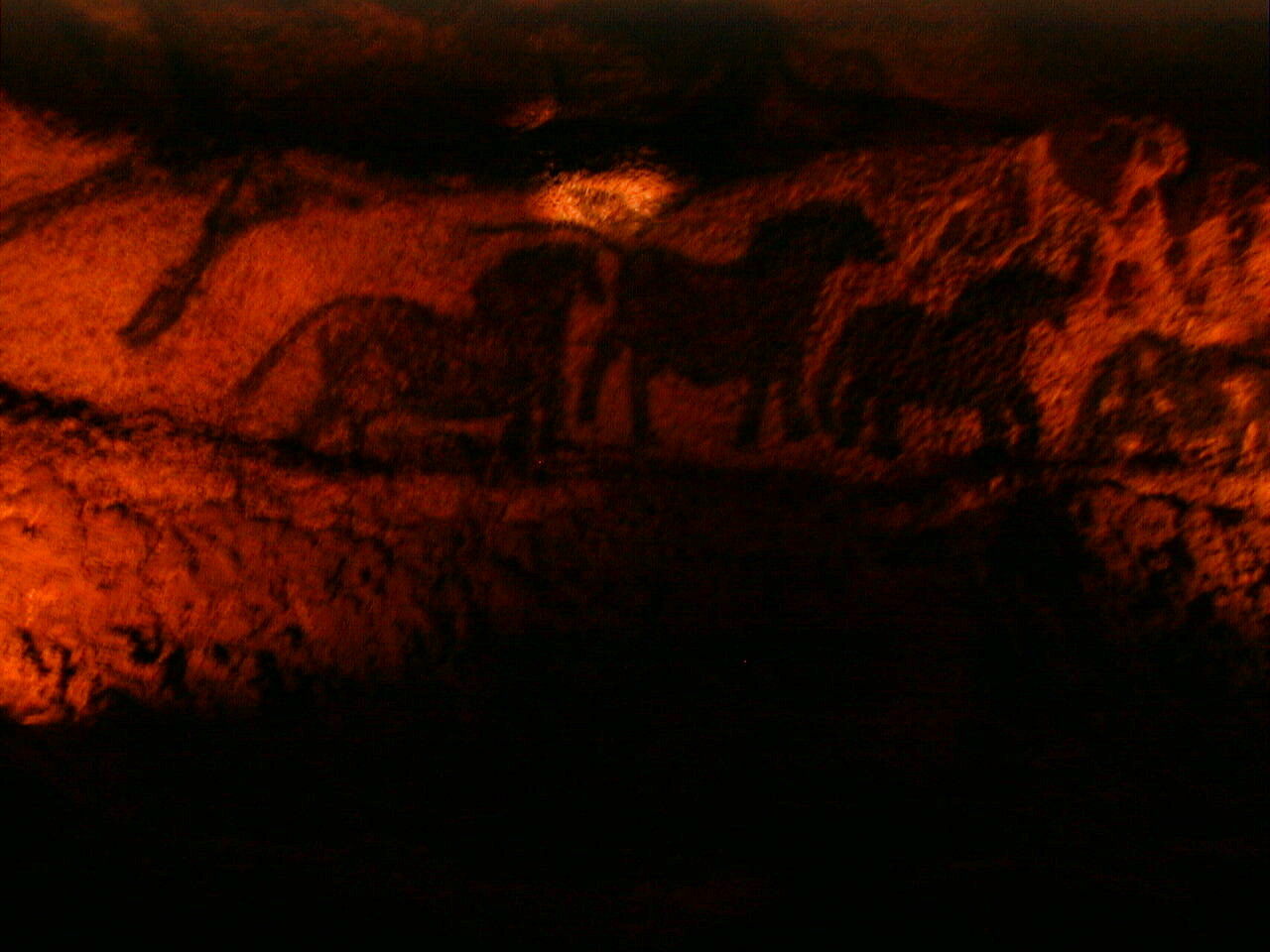
Lascaux II: the frieze of the little horses.
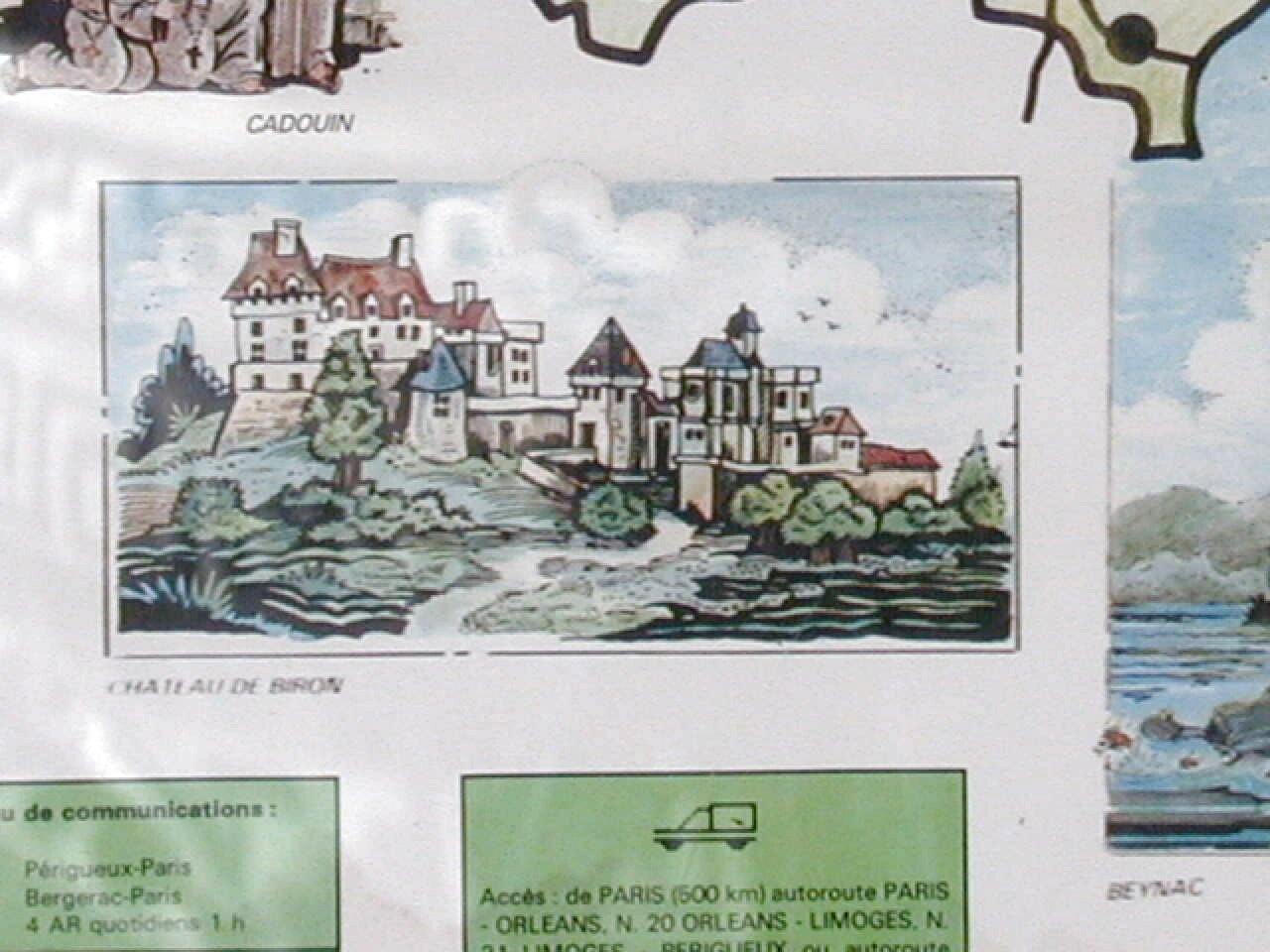
On-site signage for the Château de Biron.
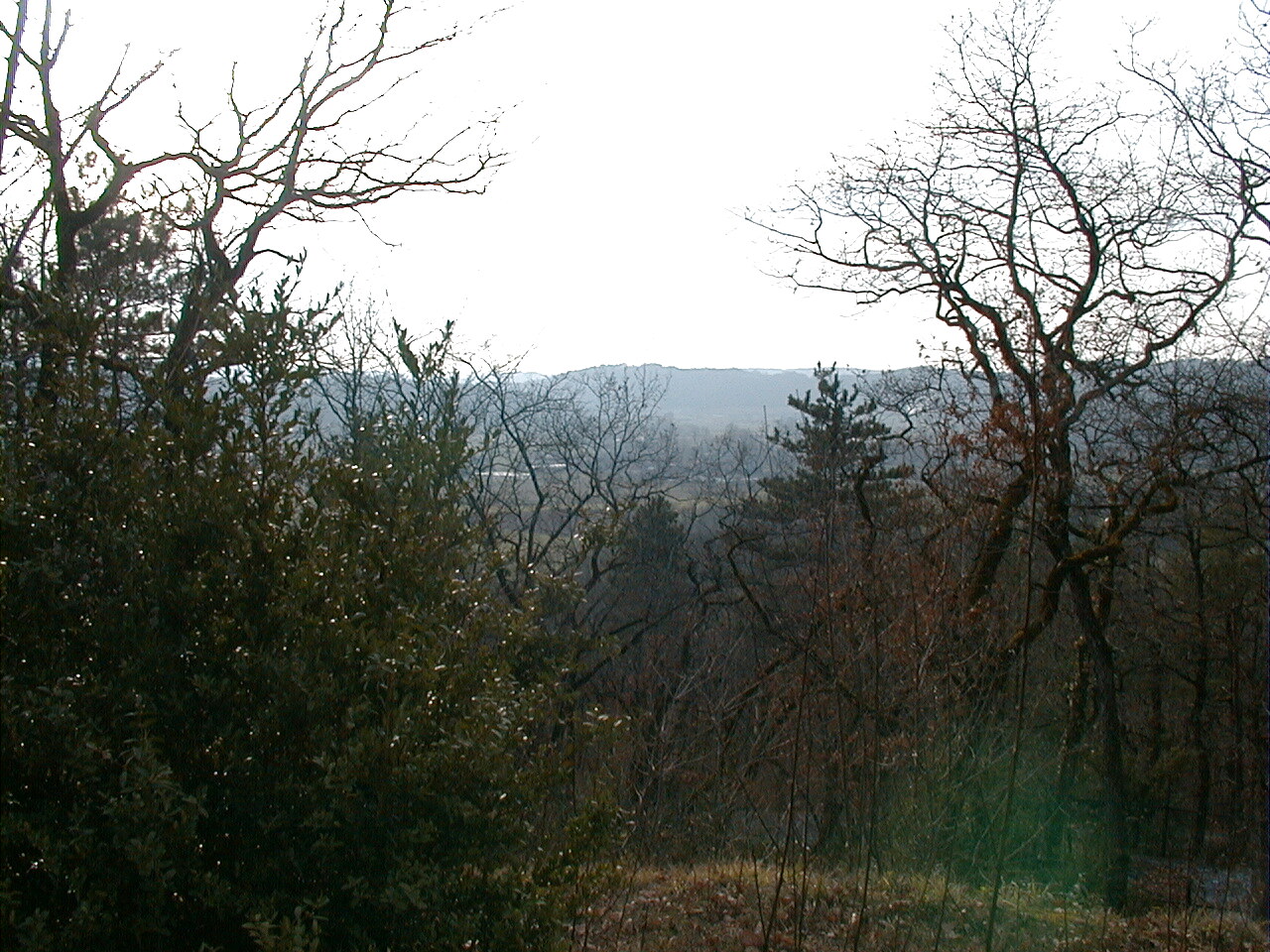
The Vézère valley in winter, January 1999.
The credits
Who made them
Two small companies, made for Semitour Périgord.
aPrim Technologies, executive production. Marc Milgram, project direction. Pascal Carles, art direction, script and interface design.
Doo Interactive, interactive production: Director integration, 2D, 3D, animation and iPIX photography. Stéphane Jacob, animation, interface design and photography. Frédéric Swierczynski, lighting inside Lascaux II.
The hidden credit
A line at the very end
At the end of the credits there is a dedication most people never reached:
« Pour leur patience et leur soutien, Charline, Suzette et Aliénor, Cécile, J.P et tous les autres. »
For their patience and support. Aliénor is my daughter; she was one year old when the project started in 1998. Twenty-eight years later, the disc and the dedication are both still here.
28 years later
Still archived, still playable
In 2026 I found the Biron disc catalogued on abandonware-france.org, with 25 screenshots and a review by Fabrice Debaque. It still runs today in an emulated Windows 98.
A few corrections for the record. The immersive tours were not QuickTime VR but iPIX, shot on film and stitched as described above. The review describes the photos as 256 colours, but the discs were designed for 16-million-colour displays, as the box states; the emulator was most likely set to 8-bit colour. The reviewer also found the content light, the movement in the tours sluggish and the music repetitive. The discs were souvenirs, not encyclopaedias, and the rest was the price of 650 MB and the drives of the time: every second of audio and every pixel had to earn its place.
How the files survived
I still have everything: the produced discs in their cases, and the source files on CD-ROMs and floppy disks, later moved to hard drives. From the start I kept three copies on separate physical media, in separate locations. Every disc still reads. The hardest part was finding a floppy drive; the last produced copy came back to me in Dubai with my children, on a visit.
And because the discs were built to run offline, with no server, no account and no update, there was nothing to switch off. Many online projects from only ten years ago are already gone.
Step inside
Shot on film in 1999, explorable on your phone today
Every 360° view from the Biron disc: 21 iPIX images from 1999, converted in 2026 straight from the protected files on the disc into standard panoramas, plus one from inside the Lascaux II replica. Drag to look around, pick a site, or step through them with the arrows.
Then and now
Two platforms then, one production now
Today, one single production in H.265 video and vector graphics would play in 4K on a phone, downloaded in about 30 seconds. In 1999 it took two platforms, one 650 MB disc and 640×480 screens.
Before the digital twin
What will be, what was, what is
In the 1990s, 3D mostly showed what did not exist yet: a building before it was built, a product before it was made. Then it began to show what existed before: lost places and vanished buildings, rebuilt on screen. Biron and Lascaux II took the next step and documented what was there, so people could walk through it again from home. Even Lascaux II is itself a copy, made to protect the original cave.
Today the same idea has gone one step further. A digital twin documents what exists and stays in sync with it, through sensors, live data and real-time monitoring. 3D went from what will be, to what was, to what is. Looking back, these two discs were an early step on that road, and 28 years later they have become part of the record themselves.
The deliverables have changed beyond recognition: a 650 MB disc became a web page, an app, a headset. The workflow did not.
Understand the brief. Capture the raw material properly. Prepare and edit it. Assemble the experience. Test it on every target. Deliver it. Archive everything.
When the cloud goes down or the tools fail, the teams that cope are the ones who still know how to do it the old way. That is the real lesson of Biron and Lascaux II, 28 years later.